Category

Fashion Trends

Category

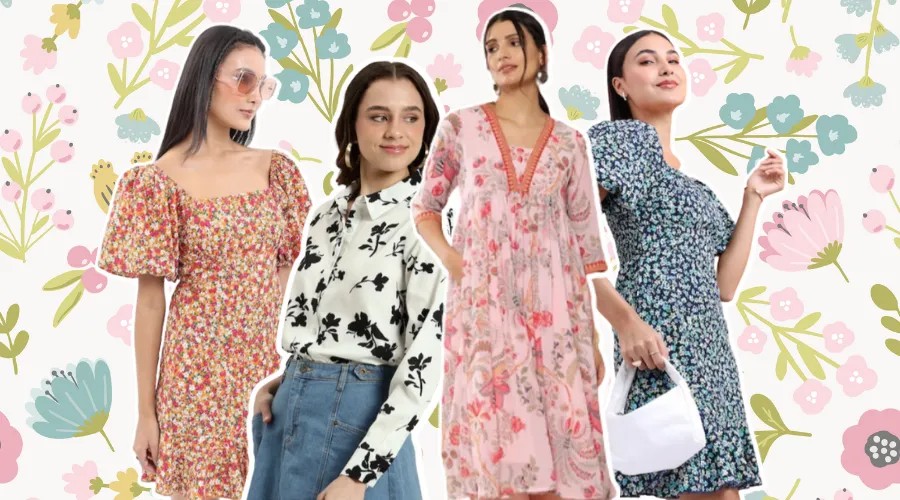
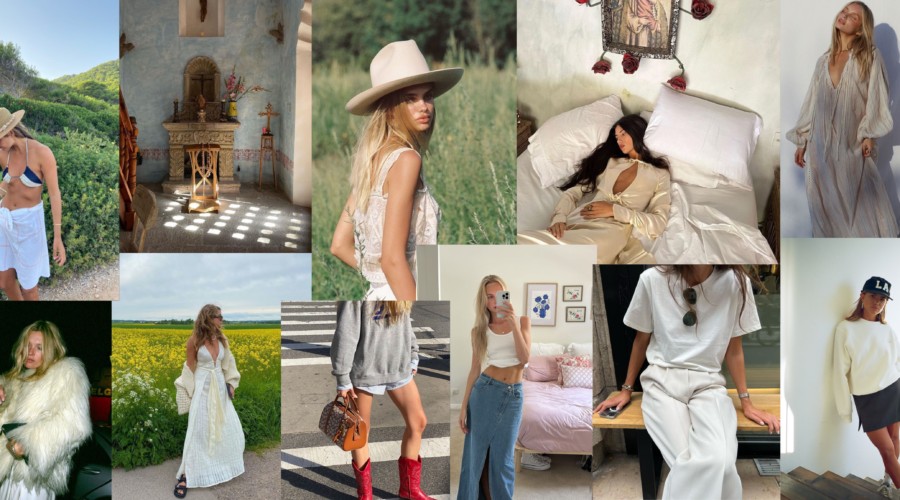
Fashion trends are more than fleeting styles—they reflect cultural shifts, technological progress, and evolving consumer values. Today’s select fashion trends emphasize individuality, sustainability, and versatility, reshaping how people dress across seasons and lifestyles.

One of the most influential trends is sustainable fashion. Consumers are increasingly aware of how clothing impacts the environment, leading to a rise in eco-friendly fabrics, ethical production, and slow-fashion brands. Natural fibers, recycled materials, and timeless designs are now favored over mass-produced fast fashion. This trend encourages quality over quantity, promoting wardrobes built to last rather than to trend-hop.

Another defining trend is relaxed tailoring. Structured silhouettes have softened, blending comfort with sophistication. Oversized blazers, wide-leg trousers, and fluid suits dominate both casual and professional settings. This shift reflects the modern demand for clothing that transitions effortlessly from work to social life without sacrificing comfort.

Neutral palettes with bold accents are also shaping current fashion. Shades like beige, taupe, olive, and grey form the base of many collections, while vibrant accessories or statement pieces add personality. This balance allows wearers to experiment without overwhelming their overall look, making fashion more accessible and wearable.

Technology-driven fashion has also emerged as a select trend. Smart fabrics, performance wear, and digitally inspired designs are influencing everyday clothing. From moisture-wicking materials to temperature-adaptive textiles, fashion now serves functional needs alongside aesthetics.

Overall, today’s fashion trends celebrate practicality, self-expression, and mindful consumption. Rather than chasing extremes, modern style focuses on adaptable pieces that align with personal values and real-life needs.
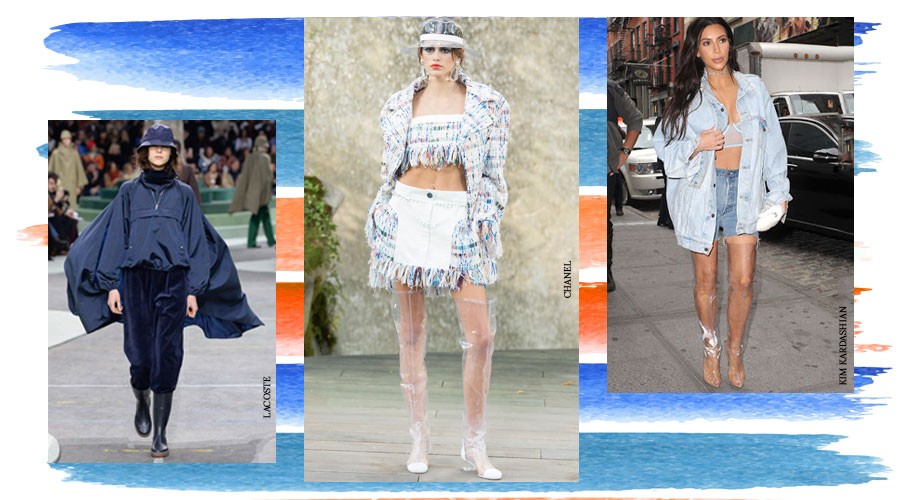
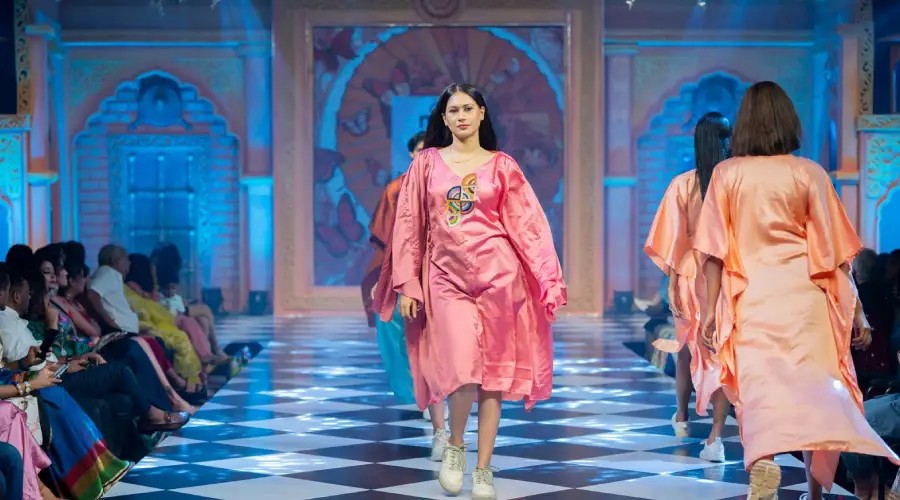
Fashion trends have evolved beyond seasonal rules, giving rise to a more personalized approach to style. Select fashion trends today empower individuals to curate wardrobes that reflect identity, comfort, and creativity rather than strict fashion norms.

One standout trend is gender-fluid fashion. Clothing is no longer confined to traditional categories, with designers creating silhouettes that emphasize inclusivity and freedom. Oversized shirts, neutral tailoring, and unisex collections allow wearers to define style on their own terms, breaking long-standing boundaries in fashion.

Another major trend is statement minimalism. Unlike traditional minimalism, which focused on simplicity alone, this approach blends clean designs with striking details. A monochrome outfit paired with dramatic sleeves, unique textures, or bold footwear creates impact without excess. This trend appeals to those who prefer refined yet expressive looks.

Revival fashion is also playing a strong role. Influences from past decades—such as the 90s and early 2000s—are being reimagined for modern audiences. High-waisted denim, cropped jackets, and retro accessories bring nostalgia while incorporating contemporary cuts and materials.

Comfort-driven fashion continues to dominate daily wear. Athleisure, knitwear, and relaxed silhouettes reflect changing lifestyles where flexibility is essential. However, modern comfort wear is elevated, featuring polished finishes that blur the line between casual and chic.

In essence, current fashion trends encourage authenticity. They allow individuals to mix influences, eras, and styles freely, making fashion a personal journey rather than a set of rules.

Fashion trends today are shaped by a global exchange of ideas, cultures, and lifestyles. Select fashion trends reflect how interconnected the world has become, blending regional influences into universally appealing styles.

One influential trend is cultural fusion. Traditional patterns, craftsmanship, and silhouettes from different regions are being incorporated into modern designs. This creates fashion that tells a story, celebrating heritage while adapting it for contemporary wear. Handwoven textiles, embroidery, and artisanal techniques are gaining renewed appreciation worldwide.

Layering as a styling technique has also gained prominence. Beyond seasonal practicality, layering adds depth and creativity to outfits. Mixing textures, lengths, and fabrics allows wearers to experiment while maintaining functionality, making it a popular trend across climates and cultures.

Another select trend is functional fashion. Utility-inspired designs featuring cargo pockets, adjustable fits, and durable fabrics respond to the need for practicality. This trend appeals to urban lifestyles where fashion must adapt to movement, travel, and dynamic routines.

Digital influence cannot be overlooked. Social platforms have accelerated trend cycles while also democratizing fashion inspiration. Street style, influencer creativity, and global visibility have made fashion more diverse and inclusive, moving away from a single definition of style.

Ultimately, modern fashion trends reflect global awareness, adaptability, and creativity. They show how style evolves when cultures connect and ideas travel freely.

Fashion trends are constantly evolving, but select trends often hint at the future of style. Today’s movements reveal where fashion is headed—toward innovation, responsibility, and personalization.

A key future-facing trend is conscious consumerism. Shoppers are increasingly researching brands, materials, and production methods before purchasing. Transparency has become a fashion statement in itself, pushing brands to prioritize ethics, fair labor, and environmental responsibility.

Customization and made-to-order fashion are also gaining momentum. Rather than mass-produced clothing, consumers are drawn to personalized fits, colors, and designs. This trend reduces waste while allowing individuals to express uniqueness through tailored pieces.

Technology continues to influence design processes. Virtual fittings, digital fashion shows, and AI-assisted design are shaping how collections are created and consumed. These advancements make fashion more interactive and accessible, especially in a digital-first world.

Another select trend shaping the future is timeless styling. Instead of rapidly changing trends, there is a growing preference for versatile pieces that remain stylish across years. Classic cuts with modern updates ensure longevity and relevance.

In conclusion, fashion trends are moving toward balance—between innovation and tradition, style and responsibility. Select fashion trends today are not just about appearance; they represent values, lifestyles, and the future of global fashion.