Tag

relaxed tailoring

Browsing

Fashion trends are more than fleeting styles—they reflect cultural shifts, technological progress, and evolving consumer values. Today’s select fashion trends emphasize individuality, sustainability, and versatility, reshaping how people dress across seasons and lifestyles.

One of the most influential trends is sustainable fashion. Consumers are increasingly aware of how clothing impacts the environment, leading to a rise in eco-friendly fabrics, ethical production, and slow-fashion brands. Natural fibers, recycled materials, and timeless designs are now favored over mass-produced fast fashion. This trend encourages quality over quantity, promoting wardrobes built to last rather than to trend-hop.

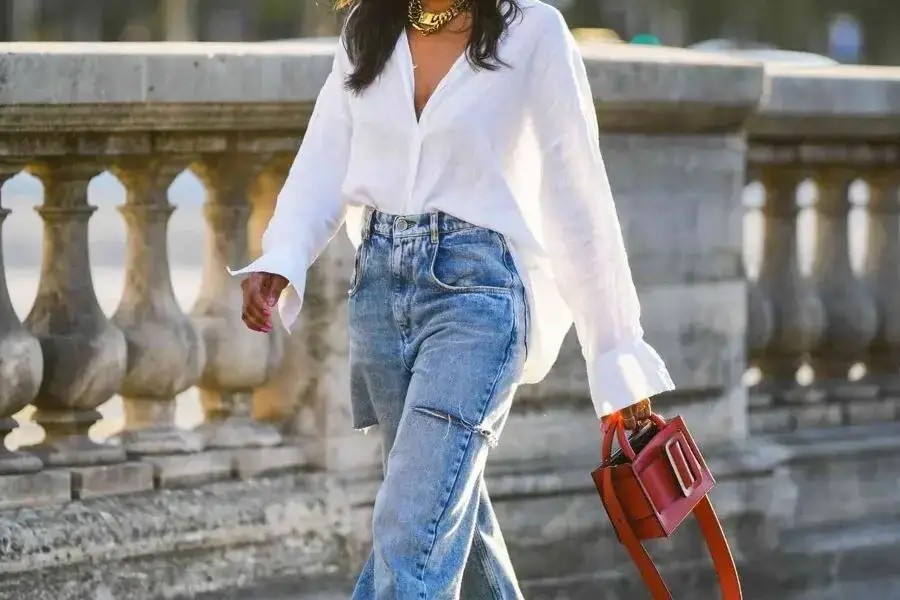
Another defining trend is relaxed tailoring. Structured silhouettes have softened, blending comfort with sophistication. Oversized blazers, wide-leg trousers, and fluid suits dominate both casual and professional settings. This shift reflects the modern demand for clothing that transitions effortlessly from work to social life without sacrificing comfort.

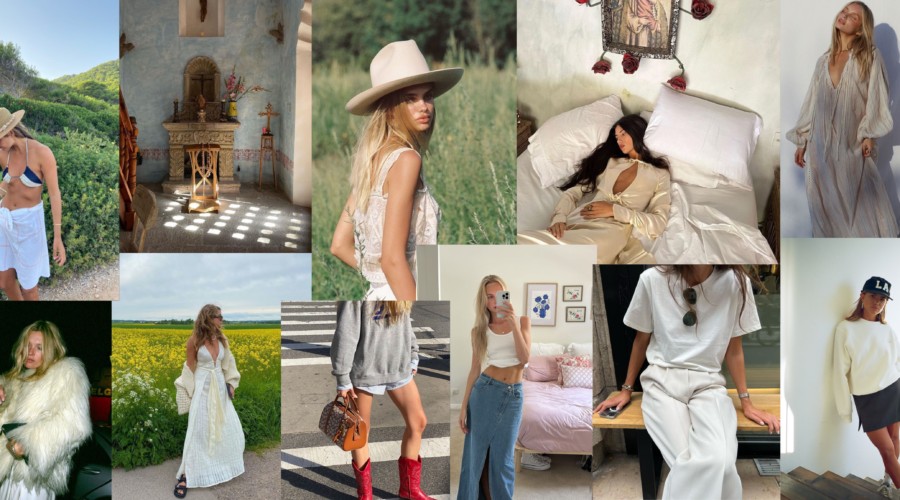
Neutral palettes with bold accents are also shaping current fashion. Shades like beige, taupe, olive, and grey form the base of many collections, while vibrant accessories or statement pieces add personality. This balance allows wearers to experiment without overwhelming their overall look, making fashion more accessible and wearable.

Technology-driven fashion has also emerged as a select trend. Smart fabrics, performance wear, and digitally inspired designs are influencing everyday clothing. From moisture-wicking materials to temperature-adaptive textiles, fashion now serves functional needs alongside aesthetics.

Overall, today’s fashion trends celebrate practicality, self-expression, and mindful consumption. Rather than chasing extremes, modern style focuses on adaptable pieces that align with personal values and real-life needs.
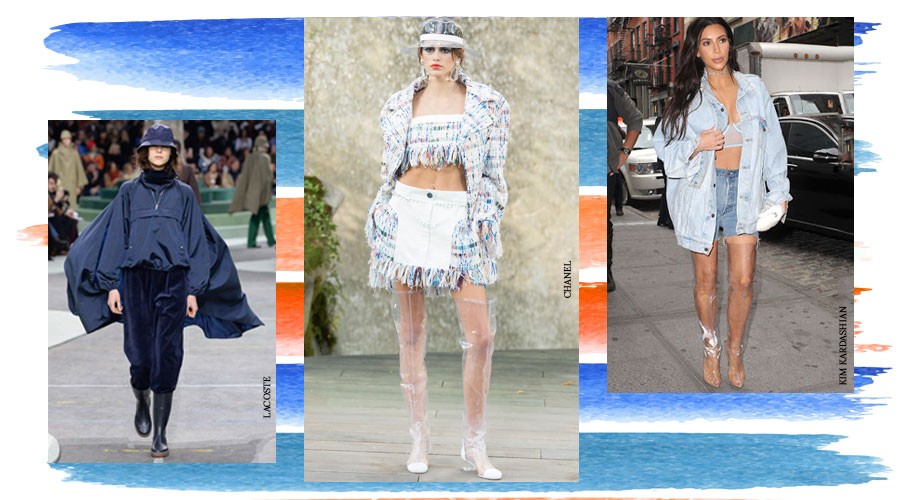
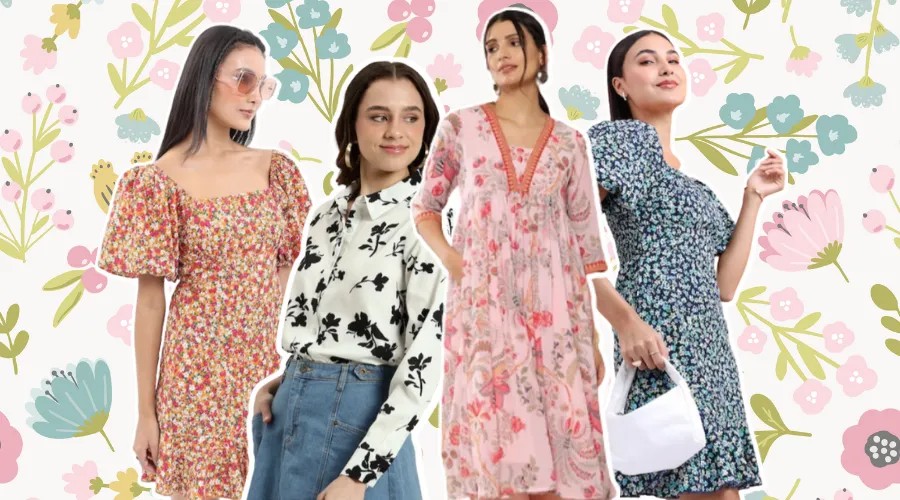
Fashion trends have evolved beyond seasonal rules, giving rise to a more personalized approach to style. Select fashion trends today empower individuals to curate wardrobes that reflect identity, comfort, and creativity rather than strict fashion norms.

One standout trend is gender-fluid fashion. Clothing is no longer confined to traditional categories, with designers creating silhouettes that emphasize inclusivity and freedom. Oversized shirts, neutral tailoring, and unisex collections allow wearers to define style on their own terms, breaking long-standing boundaries in fashion.

Another major trend is statement minimalism. Unlike traditional minimalism, which focused on simplicity alone, this approach blends clean designs with striking details. A monochrome outfit paired with dramatic sleeves, unique textures, or bold footwear creates impact without excess. This trend appeals to those who prefer refined yet expressive looks.

Revival fashion is also playing a strong role. Influences from past decades—such as the 90s and early 2000s—are being reimagined for modern audiences. High-waisted denim, cropped jackets, and retro accessories bring nostalgia while incorporating contemporary cuts and materials.

Comfort-driven fashion continues to dominate daily wear. Athleisure, knitwear, and relaxed silhouettes reflect changing lifestyles where flexibility is essential. However, modern comfort wear is elevated, featuring polished finishes that blur the line between casual and chic.

In essence, current fashion trends encourage authenticity. They allow individuals to mix influences, eras, and styles freely, making fashion a personal journey rather than a set of rules.

Fashion trends are constantly evolving, but select trends often hint at the future of style. Today’s movements reveal where fashion is headed—toward innovation, responsibility, and personalization.

A key future-facing trend is conscious consumerism. Shoppers are increasingly researching brands, materials, and production methods before purchasing. Transparency has become a fashion statement in itself, pushing brands to prioritize ethics, fair labor, and environmental responsibility.

Customization and made-to-order fashion are also gaining momentum. Rather than mass-produced clothing, consumers are drawn to personalized fits, colors, and designs. This trend reduces waste while allowing individuals to express uniqueness through tailored pieces.

Technology continues to influence design processes. Virtual fittings, digital fashion shows, and AI-assisted design are shaping how collections are created and consumed. These advancements make fashion more interactive and accessible, especially in a digital-first world.

Another select trend shaping the future is timeless styling. Instead of rapidly changing trends, there is a growing preference for versatile pieces that remain stylish across years. Classic cuts with modern updates ensure longevity and relevance.

In conclusion, fashion trends are moving toward balance—between innovation and tradition, style and responsibility. Select fashion trends today are not just about appearance; they represent values, lifestyles, and the future of global fashion.

Beauty and fashion have always been powerful forms of self-expression, but in today’s world, they play an even deeper role in shaping identity. No longer limited to following trends, modern beauty and fashion empower individuals to communicate values, moods, and individuality through style choices.

One of the most notable shifts in beauty and fashion is the focus on authenticity. People are embracing natural beauty, inclusive fashion, and personalized styling over rigid standards. Makeup trends now celebrate diverse skin tones, textures, and features, while fashion encourages body positivity with inclusive sizing and adaptable silhouettes.

Sustainability has also become a defining pillar. Conscious consumers are choosing cruelty-free beauty products, eco-friendly packaging, and ethically produced clothing. This shift reflects a growing understanding that beauty and fashion are not just about appearance, but also about responsibility and long-term impact on the planet.

Fashion today blends comfort with sophistication. Relaxed tailoring, breathable fabrics, and versatile pieces dominate wardrobes, reflecting modern lifestyles that demand flexibility. Similarly, beauty routines are becoming simpler yet more effective, focusing on skincare, wellness, and long-lasting results rather than excessive product use.

Social media has further transformed beauty and fashion by making inspiration accessible to all. Trends no longer flow from a single authority; instead, they emerge from diverse voices around the world. This democratization has encouraged creativity, experimentation, and confidence.

Ultimately, beauty and fashion are no longer about fitting in—they are about standing out with purpose. They reflect who we are, what we value, and how we choose to present ourselves to the world.

Beauty and fashion trends today extend beyond visual appeal—they shape daily routines, mindset, and lifestyle choices. The modern approach focuses on balance, blending style with practicality and self-care.

In fashion, versatility is key. Multi-purpose outfits that transition from work to casual settings are highly valued. Neutral tones, layered styling, and timeless designs dominate wardrobes, allowing individuals to express elegance without constant trend changes.

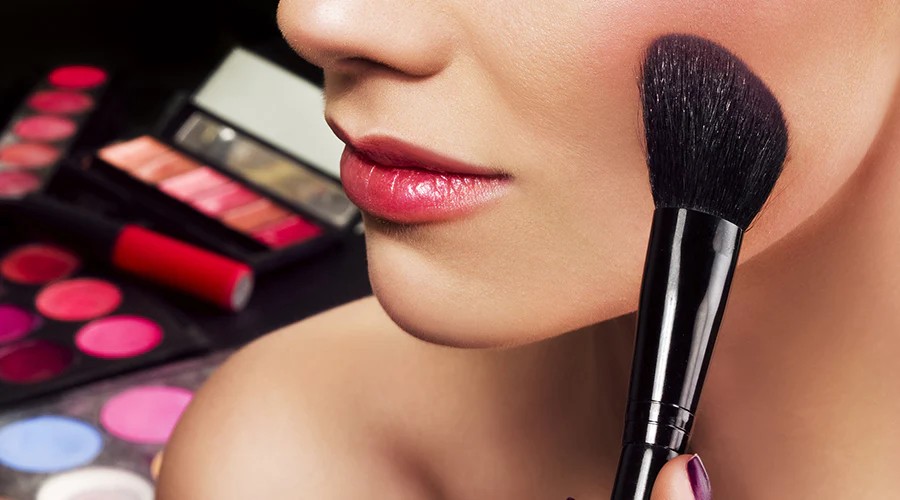
Beauty trends mirror this practicality. Multi-functional products, minimal routines, and clean formulations are preferred over excessive steps. Skincare-infused makeup and long-wear products support busy lifestyles while maintaining a polished appearance.

Wellness has become central to beauty and fashion. Self-care routines, mindful dressing, and confidence-driven styling reflect a deeper understanding of how appearance affects mental well-being. Wearing clothes that feel comfortable and using products that nourish the skin contribute to overall confidence.

Cultural influence also plays a role. Global inspiration shapes beauty rituals and fashion aesthetics, creating a fusion of traditional and contemporary styles. This diversity enriches the industry and allows individuals to explore new expressions of beauty.

Ultimately, today’s beauty and fashion trends support a lifestyle that values comfort, confidence, and conscious choices—making style a meaningful part of everyday life.

Introduction

Hair is more than beauty—it is an expression of refinement, confidence, and personal identity. In the world of luxury living, hair care is elevated into an art form, blending science, nature, and indulgence.


Why Hair Is the Ultimate Luxury Statement

Hair frames the face, enhances personal style, and reflects overall wellness. From glossy textures to effortless volume, healthy hair communicates sophistication without words.

The Science Behind Hair Structure

Hair consists of keratin proteins, cuticles, and moisture-binding layers. When these elements are balanced, hair appears luminous and strong.


Premium Ingredients That Redefine Hair Care

Luxury hair brands focus on rare, performance-driven ingredients:

  • Botanical oils like argan and camellia

  • Protein complexes for strength

  • Scalp-balancing antioxidants

These components nourish hair from root to tip while maintaining softness and shine.


Daily Rituals for Timeless Hair

True luxury lies in consistency:

  • Gentle cleansing with sulfate-free shampoos

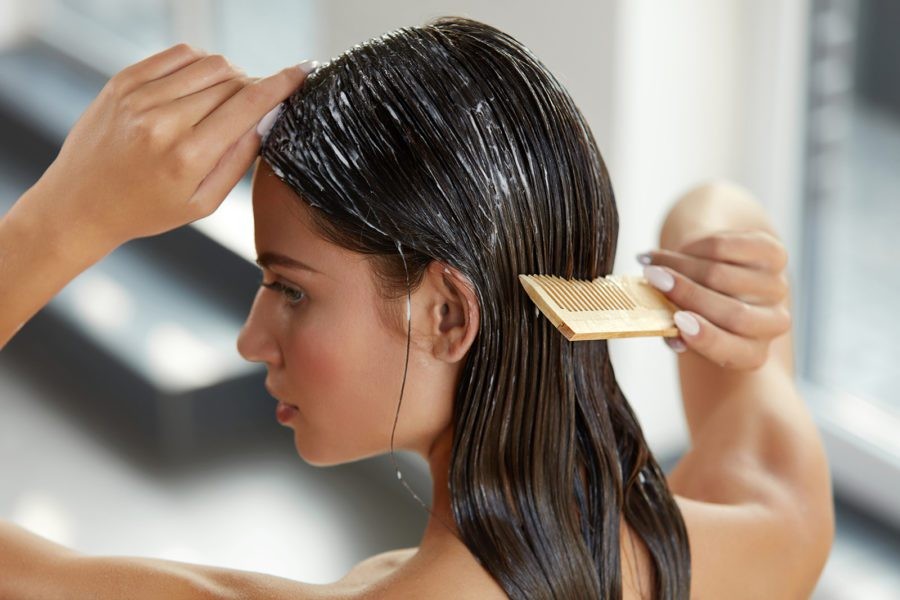
  • Weekly nourishing masks

  • Heat protection before styling

These rituals protect hair integrity while enhancing natural beauty.


Conclusion

Luxury hair care is not about excess—it’s about precision, quality, and intention. With the right approach, hair becomes an enduring symbol of elegance.

Introduction

Hair trends may change, but healthy hair never goes out of style. From sleek straight looks to voluminous curls, understanding hair care fundamentals is the secret to effortless beauty.


Understanding Different Hair Types

Every hair journey begins with knowing your type:

  • Straight

  • Wavy

  • Curly

  • Coily

Each requires customized care for optimal results.

 How Hair Type Impacts Styling

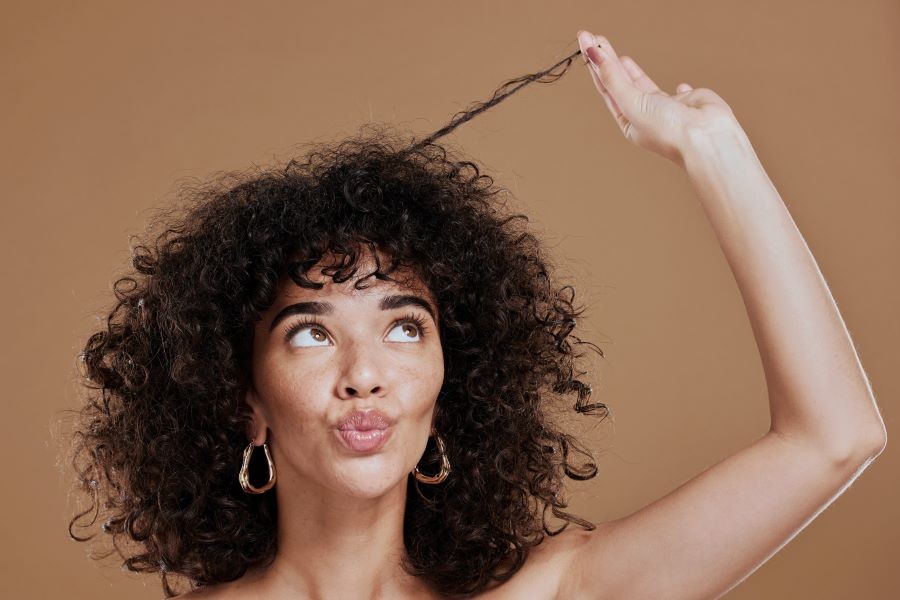
Using the wrong products can lead to frizz, dryness, or breakage. Choosing formulas designed for your hair type ensures lasting style and health.


Must-Have Hair Care Products

Modern routines are simple yet effective:

  • Lightweight shampoos

  • Hydrating conditioners

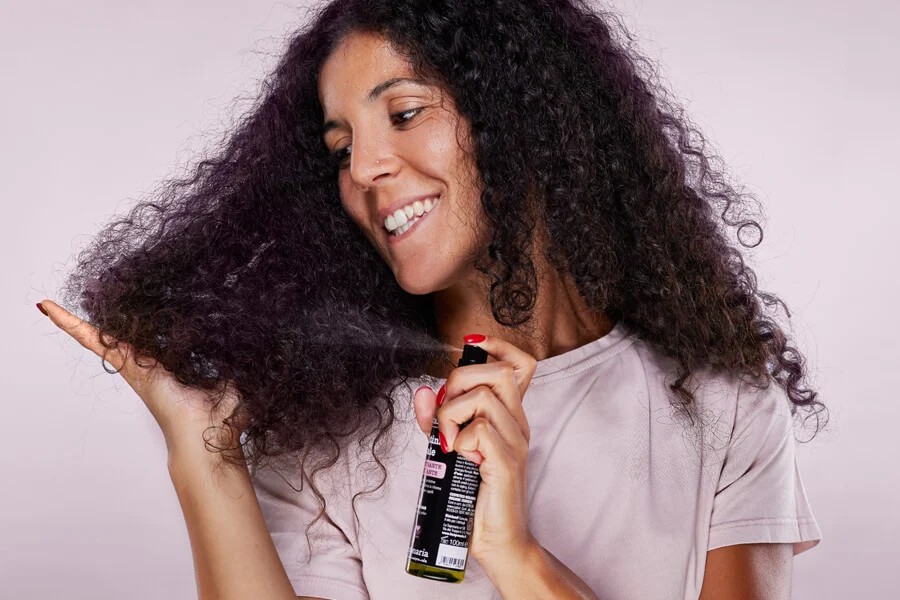
  • Leave-in serums

  • Scalp treatments

Consistency matters more than quantity.


Styling Without Damage

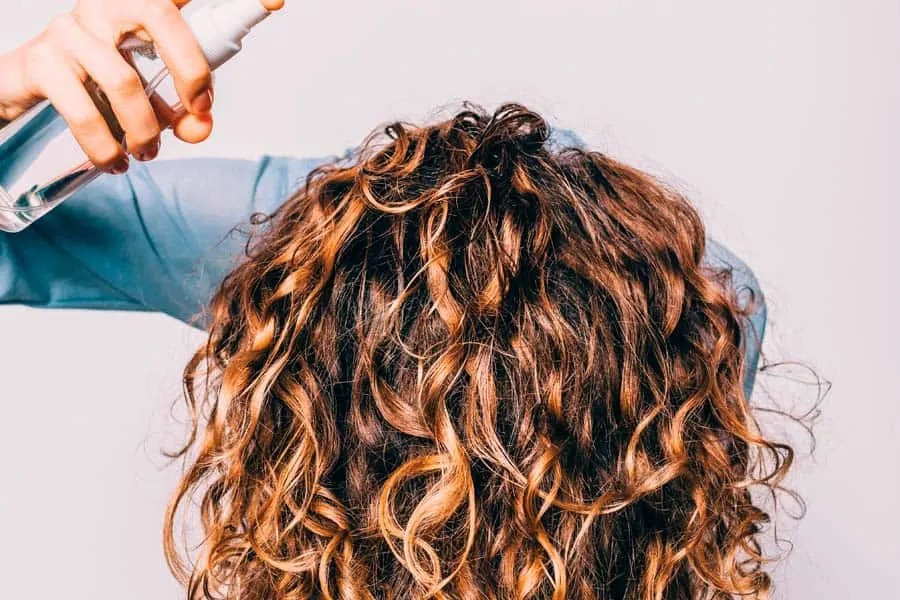
Excess heat and chemical treatments weaken hair over time. Protective sprays and low-heat styling tools help maintain strength and shine.


Conclusion

Hair care is a blend of knowledge and creativity. With the right products and habits, beautiful hair becomes part of your everyday confidence.

Introduction

Hair health reflects internal wellness. Nutrition, stress levels, and daily habits all influence hair strength, growth, and appearance.


H2: How Hair Grows Naturally

Hair growth occurs in cycles:

  • Growth phase

  • Transition phase

  • Resting phase

Disruptions in these cycles can lead to thinning or hair fall.

The Role of the Scalp

A healthy scalp promotes consistent growth. Poor circulation or buildup can slow hair regeneration.


Nutrition for Stronger Hair

Key nutrients include:

  • Protein for structure

  • Iron for oxygen flow

  • Vitamins for follicle strength

Balanced diets support long-term hair vitality.


Preventing Common Hair Problems

Gentle washing, reduced heat exposure, and stress management help prevent breakage, dandruff, and hair thinning.


Conclusion

Healthy hair begins beneath the surface. When wellness and hair care align, long-lasting results follow.

Introduction

Luxury fashion is not about excess—it is about precision, restraint, and craftsmanship. The most powerful outfit ideas are built on timeless silhouettes, elevated fabrics, and an understanding of balance. Whether dressing for an upscale brunch, a business engagement, or an evening affair, luxury fashion outfits focus on quality over quantity.

This guide explores refined outfit ideas that embody sophistication while remaining wearable, modern, and versatile.

The Foundation of Luxury Outfit Styling

Luxury outfits always begin with structure and fabric.

Premium Fabrics Define the Look

Silk, cashmere, wool blends, linen, and fine cotton elevate even the simplest designs. These materials drape better, last longer, and photograph beautifully.

Tailoring Over Trends

A perfectly tailored blazer or dress immediately elevates an outfit. Luxury fashion prioritizes fit above all else, ensuring clean lines and confident posture.

Luxury Casual Outfit Ideas

Casual luxury is effortless yet intentional.

Chic Daywear Ensemble

  • Neutral silk blouse

  • High-waisted tailored trousers

  • Minimal leather loafers

  • Structured handbag

This combination delivers relaxed confidence while maintaining polish.

Elevated Weekend Looks

Cashmere knits paired with wide-leg pants or midi skirts create a relaxed yet refined silhouette. Avoid heavy logos—luxury whispers rather than shouts.

Office & Business Luxury Outfit Ideas

Professional dressing becomes powerful when understated elegance leads.

Modern Power Dressing

  • Tailored blazer with subtle shoulder structure

  • Monochrome trousers

  • Pointed-toe heels or refined flats

Neutral palettes such as beige, ivory, charcoal, and navy dominate luxury workwear.

Accessories That Signal Authority

Fine leather belts, understated watches, and minimalist jewelry reinforce a polished aesthetic without distraction.

Evening & Event Outfit Ideas

Luxury eveningwear is about movement, texture, and presence.

Statement Evening Looks

Flowing satin dresses, sculpted gowns, or structured jumpsuits in rich tones like emerald, deep navy, or classic black command attention without excess embellishment.

Finishing Touches

Silk wraps, delicate heels, and subtle metallic accents complete the look.

Seasonal Luxury Styling Tips

  • Summer: Linen suits, silk slip dresses

  • Winter: Wool coats, layered knits, leather boots

  • Transitional: Trench coats, tailored blazers

Seasonal adaptability is key to maintaining a luxury wardrobe.

Conclusion

Luxury fashion outfit ideas are rooted in intention, craftsmanship, and timeless appeal. When garments fit perfectly and fabrics speak for themselves, style becomes effortless and enduring.

Introduction

Choosing the right hair products can transform your routine. Understanding ingredients and hair needs ensures better results and value.


How to Choose Hair Products

Focus on:

  • Hair type compatibility

  • Ingredient transparency

  • Long-term scalp benefits

Avoid harsh chemicals that cause dryness.

Reading Hair Care Labels

Look for nourishing oils, proteins, and pH-balanced formulas. Avoid excess sulfates and parabens.


Hair Tools That Make a Difference

High-quality brushes, heat tools, and microfiber towels minimize damage and enhance styling performance.


Building a Complete Hair Care Routine

A balanced routine includes:

  • Cleanser

  • Conditioner

  • Weekly treatment

  • Styling protection

Consistency drives visible improvement.


Conclusion

The right products elevate hair care from routine to results. Smart choices lead to healthier, more manageable hair.